
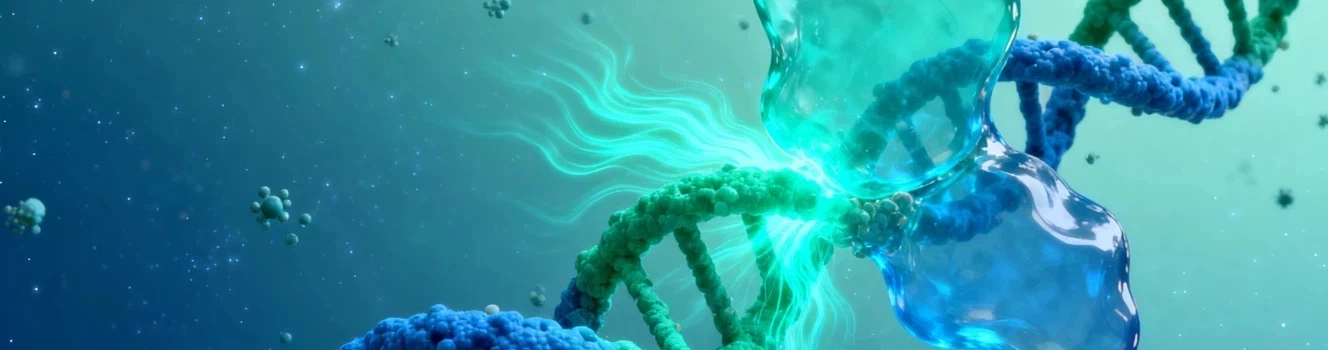
Have you ever marveled at how your body heals a cut, builds muscle after a workout, or seamlessly regulates countless processes every second? Behind the scenes of these miracles lies a world of remarkable molecular machinery. Today, we’re exploring one of the most fundamental concepts in cellular biology: your body's innate ability to function as a precision **peptide factory**.
Let's start with the basics. Peptides are short chains of amino acids, often described as the smaller siblings of proteins. While proteins are large, complex structures, peptides are more agile and specific in their functions. They act as crucial messengers, signals, and building blocks within the body.
So, where are these peptides made? The answer is within almost every one of your cells. The true **peptide production centers** are cellular structures called ribosomes. Think of a ribosome as a highly sophisticated, microscopic assembly line. It reads the genetic instructions (mRNA) and links together specific amino acids in a precise order, forging the peptide chain. This process, called translation, is happening trillions of times over in your body right now.
Once produced, these peptides have diverse and vital roles. Some become signaling molecules, traveling to other cells to instruct them to grow, divide, or communicate. Others form parts of larger structures or act as support systems for tissue health. The body’s own production is a finely tuned, demand-driven system, creating exactly what is needed for maintenance, repair, and regulation.
Scientific inquiry has long been fascinated by these natural processes. Researchers study how these endogenous peptides function to support skin appearance, muscle composition, and overall vitality. This field of study aims to understand the delicate balance and rhythm of the body's inherent production mechanisms. The goal is to appreciate how lifestyle factors like nutrition, sleep, and exercise can positively influence our internal cellular workshops.
When we use the term **peptide factory** in a scientific or wellness context, it’s a metaphor to help visualize this incredible, endogenous capacity. It's not an external facility, but the inherent, biological capability of your own cells to synthesize these essential molecules. Supporting this natural function is about fostering an optimal internal environment.
In conclusion, the concept of the body as a peptide factory is a powerful reminder of our innate biological intelligence. By focusing on holistic well-being—nourishing our bodies with the right amino acid precursors through quality protein, managing stress, and maintaining healthy habits—we support our cellular machinery in its essential work. It’s a celebration of the sophisticated, natural production system each of us carries within, working tirelessly to maintain our health and vitality.